Table of Contents
ToggleGhost from Call of Duty is one of gaming’s most iconic characters, and for good reason. That skull-painted balaclava, tactical vest, and no-nonsense demeanor have made him instantly recognizable across the franchise. Whether you’re gearing up for a gaming convention, Halloween party, or serious cosplay competition, a Call of Duty Ghost costume commands attention. This guide walks you through everything you need to know to build an authentic Ghost costume that turns heads, from exact component breakdowns to shopping links and DIY strategies. We’ll cover whether to buy pre-made or craft it yourself, how to nail the fit and weathering, and styling tricks that separate a good costume from a legendary one.
Key Takeaways
- The Call of Duty Ghost costume’s iconic skull balaclava is the essential foundation—invest time in getting proportions and white-on-black contrast right, whether buying pre-made or DIY painting your own.
- Build your Ghost costume with five core components: skull balaclava, tactical vest with MOLLE webbing, black cargo pants, military combat boots, and tactical gloves—quality materials and proper fit create an instantly recognizable silhouette.
- Weathering and battle-worn textures separate amateur costumes from authentic Ghost builds—use sandpaper, diluted paint, fading techniques, and strategic staining to suggest real fieldwork rather than costume-store appearance.
- A budget-friendly Call of Duty Ghost costume can be assembled for $150–$250 using component shopping from Amazon and Etsy, while premium custom builds run $300–$500 with higher accuracy and durability.
- Perfect your Ghost costume’s fit and comfort for 4–8 hour event wear by testing mobility at home, choosing breathable fabrics, using hydration packs, and ensuring proper weight distribution across shoulders and hips.
- Dynamic posing in tactical stances, outdoor lighting, and industrial backdrops maximize your Ghost costume’s visual impact in convention photography and social media compared to static poses in generic settings.
Who Is Ghost And Why He’s The Gaming Costume Of Choice
Understanding Ghost’s Iconic Look Across Franchise Eras
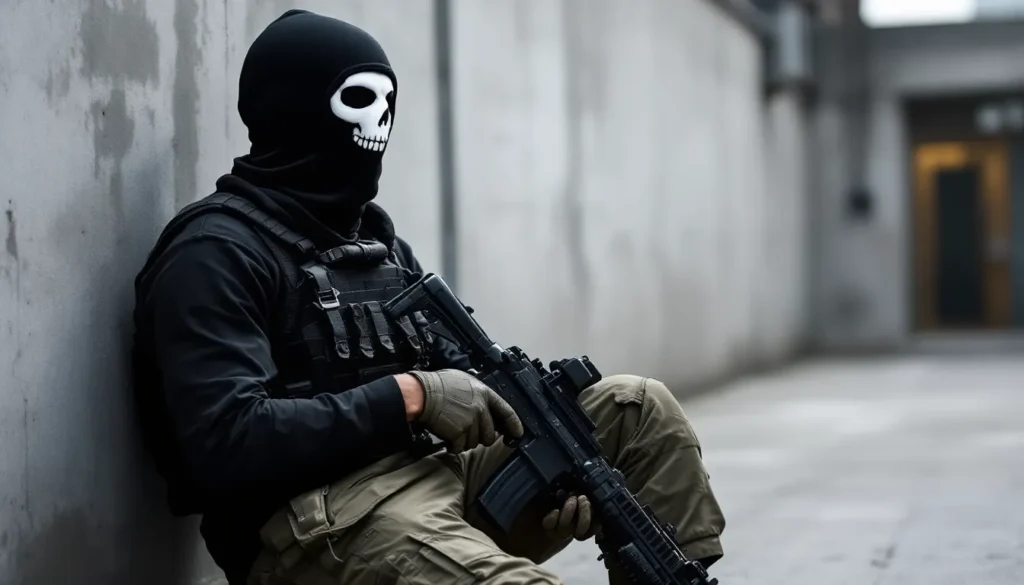
Ghost, Lieutenant Simon Riley, has been a central figure in Call of Duty since Modern Warfare 2 (2009), but his visual design has evolved significantly over the years. In the original Modern Warfare trilogy, Ghost’s trademark skull mask was a solid black balaclava with a white skull design painted across the front. This stark, military-minimalist aesthetic became instantly iconic.
When Ghost returned in Modern Warfare (2019) and Modern Warfare II (2022), Infinity Ward reimagined his look while keeping the core elements intact. The mask became more detailed, with additional weathering, battle-worn textures, and tactical accents. His gear shifted toward modern combat loadouts with updated armor plating and attachments. For 2026, we’re seeing ongoing evolution in Call of Duty’s seasonal skins and cosmetics, but the classic skull-mask-and-tactical-vest silhouette remains the definitive Ghost aesthetic that most gamers recognize.
Choosing which era’s Ghost to cosplay matters because it affects fabric choices, color grading, and weathering details. The MW2 original reads “clean tactical,” while the 2019+ versions embrace “battle-hardened operator.” Most cosplayers gravitate toward the Modern Warfare 2019 interpretation because it offers more visual depth and flexibility for customization.
What Makes Ghost A Standout Costume Choice For Gamers
Ghost works as a costume because he’s instantly recognizable, physically imposing, and genuinely cool without relying on flashy neon or cartoon exaggeration. When someone sees that skull mask, they know it’s Ghost. There’s no ambiguity.
For cosplay specifically, Ghost offers several advantages. First, his outfit is entirely practical, balaclava, vest, pants, boots, gloves. Nothing feels out of place or overly fantastical. Second, the costume scales across body types. Whether you’re compact or broad-shouldered, Ghost’s tactical silhouette adapts. Third, the skull mask offers optional anonymity, which many cosplayers appreciate at events. You can move freely without worrying about whether your face matches the character.
Ghost also bridges competitive and casual gaming audiences. Competitive players recognize him as a meta operator in Warzone and multiplayer. Casual fans remember him from the campaign. Esports viewers see pro teams with Ghost skins in tournament broadcasts. That cross-appeal makes Ghost universally respected in gaming communities, elevating any event he appears at.
Essential Costume Components You’ll Need
The Skull Balaclava And Face Covering
The skull balaclava is the lynchpin of your entire costume. Get this right, and everything else falls into place. Get it wrong, and even perfect tactical gear won’t save you.
You have two realistic paths: buy a pre-made balaclava designed specifically for skull masks, or paint/customize a plain black one yourself. The pre-made skull mask route ($15–$40) saves time but risks looking generic if the proportions are off. The skull design should have a prominent rounded cranium, defined eye sockets, and a jawline that reads clearly from a distance. Color-wise, pure white paint on pure black fabric creates the signature contrast. Avoid gray or off-white, it dulls the impact.
If you’re making your own, start with a merino wool or acrylic blend balaclava (breathability matters if you’re wearing this for hours). Use high-quality fabric paint or acrylic craft paint mixed with fabric medium. Sketch your skull design on paper first, then transfer it using light pencil marks. Paint in thin layers to prevent cracking. The eye sockets should be simple, angular shapes, not cute or cartoonish. The teeth line should run horizontally across the lower jaw without individual tooth details (Ghost isn’t a skeleton costume).
Fit matters enormously. The balaclava needs to sit flush against your face without bunching at the neck or pulling at the forehead. Test it before committing to paint.
Tactical Vest And Combat Gear
Ghost’s signature tactical vest anchors his entire silhouette. The Modern Warfare versions feature a plate carrier-style vest, typically in black or dark tan, with visible MOLLE webbing, ammo pouches, and utility attachments. The vest creates visual weight on the torso, making Ghost look loaded and combat-ready.
You don’t need a functioning tactical vest with real plates inside. A costume-grade vest, usually made from fabric or foam with printed or embroidered MOLLE webbing, handles the visual requirements at a fraction of the cost and weight. Real tactical gear runs $300+: costume pieces run $40–$120. Look for vests with secure shoulder straps, adjustable side panels, and enough pocket detail that the vest reads distinctly from photos.
Under the vest, wear a fitted black long-sleeve combat shirt or mock-neck. This creates the layered operator look. The undershirt should be snug enough to show Ghost’s athletic frame but loose enough to move in. Consider adding a black undershirt with subtle texture or weathering (we’ll cover this in the styling section).
Many cosplayers add fake equipment: holstered pistols, mag pouches, or a knife sheath clipped to the vest. These don’t need to be functional, they just need to look like tactical gear from arm’s length away.
Pants, Boots, And Lower Body Wear
Ghost wears tactical cargo pants, typically black or dark olive drab, with a practical fit, not baggy, not skinny. Cargo pants have the added benefit of multiple pockets, which visually reinforce the “operator” aesthetic. Fit is critical: the waistband should align with your natural waist, and the inseam should land cleanly on top of your boots (not bunching or dragging).
Look for pants labeled “tactical cargo” or “BDU” (Battle Dress Uniform) style. Brands like Rothco, 5.11 Tactical, and even mainstream retailers like Amazon carry these in the $30–$80 range. Black is the safest choice for Modern Warfare-era Ghost, though darker shades of olive or gray work if you’re pulling from earlier versions.
Boots are the foundation. You need black or dark gray military-style combat boots, the kind that suggest serious fieldwork. Lace-up boots with a thick sole and ankle support look far more authentic than sneakers or short boots. The silhouette matters: tall boots (8–10 inches) create a stronger operator profile than ankle-height options. Expect to spend $50–$150 for quality boots that are actually comfortable for extended wear. Brands like Belleville, Rocky, and Salomon make tactical boots designed for real professionals, which translates to solid cosplay durability.
Weathering your pants and boots (scuffs, subtle stains, fade patterns) ties everything together visually, but save that for the styling section.
Gloves, Accessories, And Finishing Touches
Ghost wears tactical gloves, usually black or dark gray, often with reinforced knuckles and improved grip. These serve a functional purpose in-game and a visual one in cosplay. Cheap costume gloves look flimsy: invest in real tactical gloves designed for shooting sports or military use. Brands like Mechanix, Magpul, and 5.11 Tactical make durable, authentic gloves in the $20–$50 range. They’ll actually feel good on your hands and last through multiple events.
Accessories elevate authenticity without breaking the budget:
- Dog tags or ID chain: Ghost sometimes wears military dog tags visible under the balaclava. A simple stainless steel tag or blank military-style ID adds gravitas.
- Watch or wrist gear: A tactical watch or armband on one wrist reinforces the professional operator vibe.
- Chest rig or harness: If you want to go beyond the plate carrier, add a chest rig with visible clips or straps.
- Weapon attachments as prop details: Small foam or plastic attachments (scopes, suppressors, rail systems) clipped to the vest suggest loadout customization.
The key is restraint. Ghost isn’t loaded with neon, glowing effects, or flashy cosmetics. Every accessory should suggest practical fieldwork, not decoration.
Budget-Friendly DIY Approach: Building Your Costume From Scratch
Crafting The Signature Skull Mask At Home
The DIY skull mask is achievable and satisfying. Here’s the step-by-step process:
Materials needed:
- Black balaclava or black long-sleeve shirt (fabric-based, not synthetic)
- White acrylic craft paint or fabric paint
- Fabric medium (to prevent cracking)
- Paintbrushes (flat and detail sizes)
- Pencil (light gray for sketching)
- Clear matte sealer spray
- Stencils (optional but helpful)
Process:
-
Choose your base. A standard black balaclava ($10–$20 on Amazon) is ideal because it’s already the right shape and material. If you can’t find one, a black long-sleeve compression shirt works, you’ll just wear it under your other layers.
-
Design on paper first. Sketch your skull on a piece of paper roughly the size of your face. Ghost’s skull is stylized, not anatomically detailed. Focus on: rounded cranium taking up about 60% of the face area, large angular eye sockets, a clean jawline with a horizontal teeth line. Avoid making it too scary or too cute, Ghost’s skull reads as professional military, not horror-movie.
-
Transfer the design. Lightly pencil-sketch your design onto the black fabric. Work in bright light. If you’re nervous, use a stencil (you can print one online and cut it from cardboard).
-
Paint in thin layers. Mix acrylic paint with fabric medium at a 3:1 ratio (paint to medium). Apply the first coat with a flat brush, working in one direction. Let it dry completely (20–30 minutes). Apply a second coat for opacity. Most skulls need 2–3 layers for true white coverage.
-
Detail work. Use a smaller brush for eye sockets and tooth lines. Keep these clean and angular, messy detailing kills the effect.
-
Seal it. Once fully dry, spray a clear matte sealer to lock in the paint and prevent chipping. Do this outdoors or in a well-ventilated space.
-
Test the fit. Put it on and move around. Adjust if needed.
Budget: $20–$40 total, and you’ll have a custom mask that looks far better than generic pre-made ones.
Modifying And Customizing Tactical Clothing
Once you have your core pieces, vest, shirt, pants, boots, gloves, weathering and customization elevate authenticity. Ghost’s gear looks battle-worn, not fresh off the rack.
Weathering techniques:
- Scuffing: Use sandpaper (80–120 grit) to gently scuff seams, pocket edges, and high-contact areas on your boots and pants. This creates the appearance of field use without damaging the fabric.
- Staining: Light brown or dark gray fabric dye (diluted) applied with a sponge creates mud or dirt stains on lower pant legs and boot edges. Be subtle, a few strategic spots read far better than covering everything.
- Fading: Leave certain areas of black fabric in sunlight for a few weeks to naturally fade. Alternatively, use diluted bleach (carefully.) to create subtle color variation.
- Paint details: Black acrylic paint thinned with water creates shadow effects in seams and creases. Apply with a dry-brush technique for a worn look.
Customization options:
- Embroidery or patches: Add small tactical patches (velcro-backed) to your vest or chest rig. Keep them military and subdued, unit insignias, national flags, or operator callsigns work.
- Fabric layering: Add netting, straps, or webbing to your vest to increase visual complexity. Attach with fabric glue or stitching.
- Buckle and strap adjustments: Replace generic plastic buckles with metal tactical versions for improved authenticity.
The goal is making your costume look like it’s seen real use, not like it just came from a Halloween store. Restraint and realism are your friends here.
Where To Buy Pre-Made Ghost Costumes And Parts
Official Licensed Costume Options
Activision and Call of Duty have partnered with official costume manufacturers, particularly around Halloween. These officially licensed costumes typically come as complete packages with the balaclava, vest, and accessories. The advantage: everything is color-matched and designed specifically to represent Ghost.
Official licensed options appear on major retailers like Amazon, Spirit Halloween (seasonal), and specialty gaming retailers. Pricing typically runs $80–$180 for a complete costume set. Quality varies, some official licenses produce genuinely accurate pieces, while others lean toward “costume quality” rather than cosplay quality.
What to look for in official options:
- Clear product photos showing the skull balaclava proportions
- Customer reviews mentioning fit and durability
- Vest construction details (is it thick fabric or flimsy?)
- Whether accessories like gloves and boots are included or sold separately
The downside: official costumes often arrive pre-made and can’t be customized. If the mask proportions or colors are off, you’re stuck with them. Read reviews carefully before ordering.
High-Quality Alternatives From Major Retailers
Amazon, Etsy, and eBay host thousands of individual Ghost costume pieces from independent sellers and small manufacturers. This modular approach lets you pick and choose components based on specific quality preferences.
Recommended categories and typical prices:
- Balaclavas with skull design: $15–$50. Search “white skull balaclava” or “ghost skull mask.” Look for sellers with photos showing the mask actually worn, not just displayed flat. This reveals how proportions work on a real face.
- Tactical vests: $40–$120. Search “tactical plate carrier cosplay” or “MOLLE vest costume.” Look for vests with clear pocket detailing and adjustable straps. Heavy foam construction ($40–$60) is lighter and more comfortable than replica gear ($80–$120).
- Cargo pants: $30–$80. Go with established brands like Rothco or 5.11 Tactical. These are actually designed for tactical use, so they fit and feel authentic.
- Combat boots: $50–$150. Mechanix, Rocky, and Belleville make legitimate tactical boots. Avoid cheap costume boots, they fall apart and feel terrible. Invest here.
- Gloves: $20–$50. Mechanix is the gold standard for tactical gloves at reasonable prices.
One advantage of this modular approach: you can upgrade individual pieces over time. Start with a solid mask and vest, add boots later, refine weathering eventually.
Specialized Gaming Costume Shops And Online Marketplaces
Dedicated cosplay and gaming costume shops often curate higher-quality pieces than generic retailers. Etsy hosts countless cosplay specialists who focus exclusively on gaming costumes. Many offer custom modifications, they’ll adjust balaclava proportions, add specific weathering, or recreate seasonal Ghost variants.
Reputable Etsy shops to research include those with 4.8+ star ratings and reviews specifically mentioning Ghost costumes or Call of Duty gear. Many are willing to work with you on customization, padding, or specific details. Expect custom work to cost more ($150–$300+) but result in museum-quality accuracy.
Specialized retailers like IGN and GamesRadar+ occasionally feature costume guides with affiliate links to vetted retailers. These aren’t direct shopping links, but they provide editorial recommendations that help filter through less reputable options.
Red flags when shopping online:
- Generic product photos that could apply to any costume
- No customer reviews or only new accounts leaving reviews
- Extremely low prices (under $20 for a complete costume) combined with long shipping times
- Sellers unwilling to answer specific questions about material or sizing
- No returns or customer service contact information
Take your time. Read reviews thoroughly. Ask questions before buying.
Sizing, Fitting, And Comfort Considerations
Getting The Right Fit For Authentic Appearance
A costume that doesn’t fit properly looks cheap and amateur, no matter how expensive the individual pieces are. Ghost’s silhouette is built on clean lines and proper proportions.
Balaclava fit:
The mask should sit snugly on your face without restricting breathing or vision. The eye holes should align with your eyes, not pulled up too high or sagging too low. The jaw opening should clear your chin without bunching at your neck. If you’re between sizes, size up slightly: excess fabric on the back of the head is easier to adjust than a mask that’s too tight.
Vest fit:
The vest should sit on your shoulders without riding up or sliding down when you move. Shoulder straps should be tight enough that the vest stays in place when you raise your arms. Side panels should close firmly without pinching or gapping. The vest should end at your natural waistline, not riding too high on your ribs or too low on your hips. If the vest is adjustable (velcro or buckles), use this to dial in the fit. A loose vest looks baggy and breaks Ghost’s clean tactical silhouette.
Shirt layering:
The undershirt worn under the vest should be snug, think compression or fitted athletic wear. If it’s too loose, it creates bulk and undefined lines. The shirt collar should sit high enough to frame the balaclava neck opening cleanly.
Pants fit:
Tactical cargo pants should have a straight, athletic fit, not skinny jeans, not oversized cargo pants. The waistband should sit at your natural waist. Inseam should land exactly at the top of your boot heel, creating a clean line when you stand. Cargo pockets should sit naturally on the thigh without creating visible bunching.
Boot fit:
Boots need to be genuinely comfortable if you’re wearing them for hours. Lace them snugly but not painfully. Break them in before your event. The height should reach at least mid-shin (8+ inches) for the proper Ghost silhouette. Short ankle boots don’t create the same visual impact.
Ensuring Comfort And Mobility For Events And Cosplay
Looking cool means nothing if you’re miserable after 30 minutes. You’ll likely be in this costume for 4–8 hours at events, conventions, or photoshoots.
Breathability:
The balaclava will trap heat. Choose a breathable base layer made from merino wool, synthetic blend, or cotton (avoid pure acrylic or thick knits). Even in cool weather, you’ll generate body heat under a face covering. Consider a thin cooling neck gaiter worn under the balaclava if temperatures run warm.
Movement and mobility:
Wear the costume for 30 minutes at home before the event. Walk around, sit down, bend over, raise your arms. If anything pinches, rides up, or restricts movement, adjust before leaving home. Tactical gear should actually allow combat-like movement, this is Ghost’s entire vibe.
Hydration and breaks:
Wear a hydration pack under your vest if you’ll be at an event for extended periods. Schedule breaks to remove the balaclava and cool down. Many conventions have quiet rest areas: use them. You’ll be far more enjoyable to interact with if you’re not overheating and miserable.
Visibility:
The skull mask should not impair your vision. Eye holes need to be large enough to see peripherally. If wearing a real balaclava (not a painted one), make sure the fabric doesn’t sag into your line of sight. Test this before the event.
Weight distribution:
Heavy vests, accessories, and gear can strain your shoulders and back, especially over hours. Distribute weight evenly. Avoid loading the vest asymmetrically with props or accessories. Consider a well-fitted tactical belt worn under the vest to distribute weight to your hips rather than shoulders alone.
The ultimate comfort test: if you can genuinely enjoy interacting with other cosplayers and event attendees without being preoccupied with adjusting or overheating, you’ve nailed the fit.
Styling Tips: Perfecting Your Ghost Look From Head To Toe
Hair And Grooming Details That Complete The Character
Ghost wears a balaclava that covers almost everything, but what’s visible matters. His hair isn’t a focus point, the balaclava is, but grooming details should suggest a professional operator.
If the balaclava has a neck opening or leaves your hairline visible, keep your hair neatly styled and close to the head. Short military-style haircuts work perfectly: longer hair should be slicked back or contained. Avoid wild, messy styles that contradict Ghost’s no-nonsense demeanor.
If your balaclava completely covers your hair (most do), this becomes irrelevant for visible styling. But, keep your actual hair neat underneath. This affects comfort and prevents odd bumps under the mask.
Facial hair is hidden by the balaclava, but if you want to be thorough: Ghost’s canonical appearance suggests neatly trimmed or clean-shaven. Since it’s hidden, this is purely your choice for comfort. Some cosplayers grow beards under the mask for a rougher aesthetic they imagine: others keep it clean. It won’t show, so focus on comfort.
Eyebrows and eyes are visible through the eye holes. Keep eyebrows neat and natural. Your eyes are a key visual element for connecting with other people at events. Don’t wear colored contacts unless they specifically enhance Ghost’s look (most official Ghost skins don’t feature unusual eye colors, so stick with your natural eyes).
Adding Weathered And Battle-Worn Textures
This is where a good Ghost costume separates from a great one. Weathering creates visual depth and tells the story of an operator who’s actually seen combat.
On the balaclava:
Once your white skull is complete and sealed, add subtle gray or light brown shading around the eye sockets, along the teeth line, and around the jaw edges. Use diluted acrylic paint (3:1 water to paint) applied with a dry brush technique. This creates definition without looking overdone. Add a few tiny splatters of dark gray or black paint around the mask as if from gunfire or explosions. Keep it subtle, 3–5 splatters, not a Jackson Pollock painting.
On the vest and gear:
Fade black fabric slightly by exposing it to sunlight over 2–3 weeks or using diluted fabric dye. Create dirt stains on pockets and lower edges using brown or dark gray thinned paint applied with a sponge or cloth. Let the edges be irregular, dried mud doesn’t have clean lines. Add “wear marks” on areas that would experience friction: shoulder seams, belt areas, and pocket edges. Use sandpaper (120 grit) and a light touch.
On pants and boots:
Boots are the easiest to weather. Scuff the toe and heel areas heavily. Add brown or tan staining on the lower third (simulate mud). Drag your sandpaper along seams to create worn edges. Pants should show wear on the inner thighs (from gear rubbing), outer thighs (from sitting), and lower legs (from crawling or kneeling). Keep weathering proportional, a few key areas read far better than weathering everything equally.
On the shirt:
If any black undershirt is visible beneath the vest or around the neck, add subtle creasing or fading. Wear marks under the vest straps show where gear has sat. These details matter in close-up photography.
General principle:
Weathering should suggest realistic use, not cartoonish destruction. Ghost operates in modern combat environments with gear that gets dirty and scuffed, not shredded. Aim for “well-used but functional,” not “rebuilt from scraps.”
Prop Weapons And Tactical Gear Recommendations
Props are entirely optional, but they dramatically enhance the costume’s impact. Ghost typically carries primary and secondary weapons, plus tactical equipment.
Weapons:
- Primary rifle props: 3D-printed or foam replicas of Ghost’s signature loadouts (typically AR-pattern rifles like the M4A1 or AMAX). Etsy makers create exceptional foam weapons in the $40–$100 range. They’re lightweight, look fantastic in photos, and are safe for conventions. Many convention venues have weapon policies, confirm yours allows props before making a purchase.
- Pistol props: Small foam or plastic pistol replicas can be holstered on your vest. Focus on replica M19 or other sidearms from the franchise. Keep them concealed or minimally visible unless the convention explicitly allows prominent weapon props.
- Knives: A foam or rubber knife sheathed on your chest rig adds authenticity without major prop work. Many costume-grade knives cost $10–$20.
Tactical equipment props:
- Flashbangs or grenades: Small foam or rubber replicas clipped to your vest. These are low-profile and convention-friendly.
- Ammunition magazines: Cardboard or foam replicas of magazines in your mag pouches. Alternatively, real training magazines (non-functional) from airsoft retailers ($5–$10 each).
- Chest-mounted gadgets: Small electronic props (non-functional) like flashlights, radios, or scopes mounted on your vest or rails. These can be 3D-printed or kitbashed from electronics components.
Where to source props:
Dexerto and gaming culture outlets occasionally highlight quality prop makers. Etsy has dedicated cosplay weapon creators. Airsoft retailers carry realistic-looking (but non-functional) components. Always confirm convention policies before bringing props, most require non-lethal materials, blaze orange tips for weapons, or complete prop clearance in advance.
Pro tip: Weapons and heavy gear look great in photos but get tiring to carry for hours. Consider bringing them for photo opportunities, then setting them down or stashing them at your cosplay group’s base during extended event time.
Displaying Your Costume: Events, Cosplay, And Photography
Best Occasions To Wear Your Ghost Costume
Ghost works at virtually any gaming-focused event, but certain occasions maximize impact.
Gaming conventions and expos:
E3, PAX, Gamescom, and regional gaming cons are perfect. These attract hardcore Call of Duty fans who’ll immediately recognize and respect the costume. Cosplay contests at these venues often have competitive categories, Ghost is a common but solid entry.
Halloween and holiday events:
Obviously, Halloween is prime Ghost costume season. But gaming-themed holiday parties, gaming cafés, and esports watch parties (especially during major tournaments) work brilliantly. Ghost’s tactical aesthetic fits Halloween without being specifically spooky, it’s more “elite operator” than “scary costume.”
Esports events and LAN parties:
If a major Call of Duty tournament is happening locally, showing up as Ghost at the viewing venue or event is fantastic. Pro players recognize fan costumes, and the atmosphere is electric. Local LAN parties and competitive gaming gatherings tend to have lower costume density than conventions, making Ghost stand out even more.
Gaming shops and streaming events:
Local game stores often host community events, tournaments, or content-creator meet-ups. Ghost draws immediate recognition and sparks conversation with other players.
Casual gatherings and friend groups:
If you’ve invested in a quality Ghost costume, wear it casually too, themed board game nights, gaming parties with friends, or just gaming sessions with your squad. Why let a $300+ costume sit in the closet?
Comic conventions:
While not strictly gaming-focused, modern Comic-Cons feature massive gaming sections. Ghost works beautifully in this environment alongside Marvel, DC, and anime cosplayers.
Photography And Posing Tips For Maximum Impact
Ghost has a distinct tactical stance that photographs incredibly well. Mastering posture and positioning dramatically elevates how your costume appears in photos.
Posing fundamentals:
- The “operator stance”: Stand with feet shoulder-width apart, knees slightly bent. Hold one arm across your chest or loosely at your side, the other bent at roughly 90 degrees. This suggests readiness and confidence. It’s a natural operator pose that reads instantly in photos.
- Weapon handling: If holding a weapon prop, keep it at a low ready position (pointed downward, not directly at the camera or spectators). Never aim at people, even with foam props. High-ready (weapon at shoulder) works for tactical photos but can make people uncomfortable in social settings.
- Mask alignment: Ensure the skull design is facing directly at the camera for portraits. Even slight angles can distort the mask proportions and weaken the effect.
- Dynamic movement: Beyond static poses, capture Ghost in motion, walking, crouching, reloading a weapon prop. Movement reveals how the costume actually fits and moves on your body. These photos often look more impressive than stiff standing poses.
- Eye contact (implied): Even with the balaclava covering your face, direct your eye position toward the camera through the eye holes. This creates an implied sense of gaze and connection, even though your facial features aren’t visible.
Lighting and location:
- Outdoor ambient light: Midday or early evening overcast light is flattering. It reduces harsh shadows under the balaclava’s eye holes while maintaining detail on your gear. Golden hour (sunset) adds warmth and drama.
- Urban or industrial settings: Ghost fits tactical environments far better than parks or beaches. Concrete walls, shipping containers, abandoned buildings, or urban parks with graffiti create thematic backdrops. Avoid cutesy or colorful settings, they clash with Ghost’s aesthetic.
- Venue-specific opportunities: If you’re at a convention, seek out gaming backdrops (arcade machines, gaming PCs, franchise displays). These add context to your photos.
Camera techniques:
- Full-body shots: These show your complete costume. Step back and capture head-to-toe to showcase your tactical gear and weathering work.
- Close-ups of details: The balaclava’s skull design, vest pockets, boot weathering, and glove details deserve close attention. These shots highlight craftsmanship.
- Environmental portraits: Have a photographer shoot you in poses that interact with the environment, standing beside gaming displays, leaning against walls, or in tactical positions on stairs.
- Action shots: If you have a weapon prop, capturing you in dynamic poses (aiming, reloading, moving) adds life to your photo series.
Etiquette in crowds:
When photographed by convention photographers or fans, maintain Ghost’s professional demeanor. Stay in character loosely, don’t break into goofy expressions or unrelated poses. Brief, tactical, confident poses maintain the operator aesthetic. If someone asks for a specific pose, oblige, but guide them toward tactical stances that suit the character.
Always ask before being photographed by strangers, and remember that the balaclava can obscure your vision, have a spotter or assistant if movement is restricted.
Conclusion
Building an authentic Ghost costume is a rewarding project that bridges craftsmanship, fandom, and self-expression. Whether you choose the DIY route and paint your own skull mask or invest in pre-made components, the key is proportional accuracy, quality materials, and thoughtful weathering details.
Ghost works as a costume precisely because he’s instantly recognizable, visually striking, and rooted in tactical realism rather than fantasy. The skull balaclava, tactical vest, cargo pants, and combat boots create a silhouette that reads instantly in crowds and photographs beautifully. Your specific choices, fabric quality, fit precision, weathering depth, and prop selection, determine whether your Ghost looks amateur or professional.
The timeline varies based on your approach. A complete DIY costume takes 2–4 weeks (painting the mask, ordering pieces, weathering). A pre-made costume can be event-ready in days. Either way, test your costume at home before the event. Wear it, move in it, and confirm comfort and visibility. The best costume is one you can actually enjoy wearing.
Eventually, you might want to create alternate Ghost loadouts from different seasons or franchises. Each variant offers new customization opportunities. But start with the classic Modern Warfare skull-mask-and-tactical-gear aesthetic. Get that locked in, and you’ve built a costume that’ll turn heads at any gaming event for years.