Table of Contents
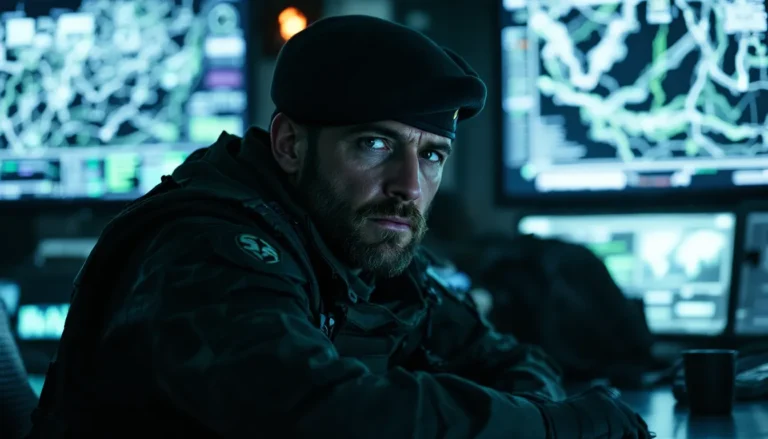
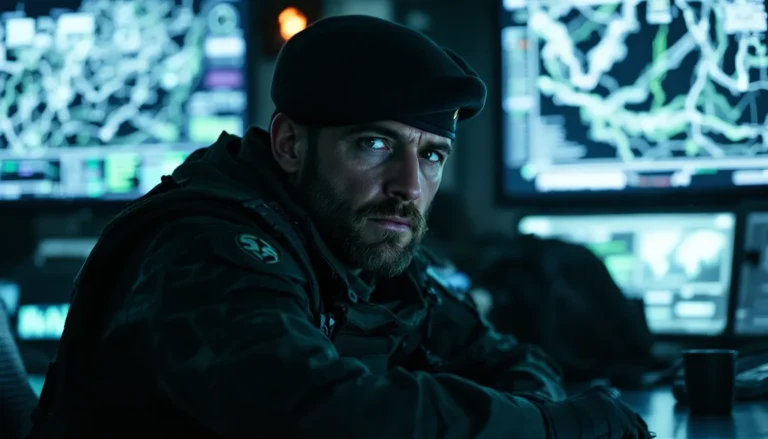
ToggleCall of Duty Modern Warfare gameplay has remained one of the most refined and demanding multiplayer experiences in the FPS landscape, especially heading into 2026. Whether you’re dropping into a multiplayer match, grinding through the campaign, or pushing for wins in Warzone, understanding the mechanics and nuances separates casual players from those who consistently dominate. The beauty of Modern Warfare’s design is that it rewards knowledge, knowing how your weapon handles, where angles matter most, and how to position yourself before enemies even appear. This guide breaks down everything you need to know: from core movement mechanics and weapon fundamentals to advanced positioning strategies and platform-specific optimizations. If you’re serious about improving your gameplay, the details matter.
Key Takeaways
- Call of Duty Modern Warfare gameplay success depends on mastering movement mechanics, weapon handling, and positioning before engaging enemies.
- Mounting your weapon on cover reduces recoil significantly and provides a critical advantage in longer-range firefights.
- Map control and pre-aiming common enemy positions are more important than raw mechanical skill for consistent wins.
- Sensitivity settings and crosshair placement optimization separate casual players from competitive performers—most pros use 5–8 sensitivity.
- Platform-specific performance matters: maintaining stable 120+ FPS on console and PC provides a competitive edge, while understanding audio cues and radar is essential for situational awareness.
- Studying patch notes and adjusting your loadout as the meta shifts seasonally keeps your strategy relevant and effective.
Understanding The Core Gameplay Mechanics
Movement And Positioning Systems
Movement in Modern Warfare is deliberate and weighty, it’s not a slide-heavy bunny-hop simulator. Your character momentum matters. Sprinting depletes your stamina, so understanding when to sprint and when to walk or strafe is critical. Walking while ADS (aiming down sights) maintains accuracy and lets you react faster to threats. Mounting your weapon on cover is a huge part of the meta. When you mount, your recoil drops significantly and your aim snaps into place, making you nearly unbeatable in longer-range firefights. The sliding mechanic provides quick repositioning, but overusing it leaves you vulnerable mid-animation.
Strafe speed affects how fast you can move left and right while aiming. Faster strafing helps you duel opponents effectively, you want to stay moving to avoid being an easy target. Jumping is situational: use it to clear obstacles or dodge incoming fire, but jumping while in a gunfight usually gets you killed. Footstep audio is incredibly detailed, so rushing carelessly advertises your position. Play methodically, listen for enemy movement, and control your angles of engagement.
Weapon Handling And Gunplay Fundamentals
Weapon handling encompasses TTK (time-to-kill), recoil pattern, and ADS speed. Modern Warfare’s TTK varies dramatically by weapon class. Sniper rifles are one-shot kills, shotguns dominate close quarters, SMGs excel in aggressive play, assault rifles balance range and fire rate, and LMGs provide sustained suppressive fire. Recoil is manageable if you practice: each weapon has a unique pattern. Learning to control your gun’s vertical and horizontal bounce is essential. Aim for the chest initially, let the recoil climb naturally, and adjust downward slightly to keep shots on target.
ADS speed, how quickly your gun zooms in, matters more than people realize. Heavier loadouts ADS slower: lighter ones snap faster. Headshots deal extra damage and are rewarding, but body shots are more reliable. Positioning before engagement is more important than pure mechanical skill: fighting from angles where enemies can’t return fire is the difference-maker. Pre-aiming common positions means your crosshair is already on target when an enemy appears. Tap-firing at distance and sustained bursts at medium range give you better control than full auto spray.
Game Modes And Their Unique Gameplay Elements
Multiplayer Modes: Competitive And Casual Approaches
Multiplayer is split between objective and elimination modes. Team Deathmatch is pure elimination, most kills wins. Search and Destroy is tactical: one life per round, bomb planting/defusing, and communication is mandatory. Domination requires capturing and holding three flags across the map. Kill Confirmed removes the scoreboard kill count and rewards picking up dog tags. Each mode rewards different playstyles. TDM favors aggressive hunters: Search requires patience and callouts: Domination benefits map control and team coordination.
Casual players thrive in Deathmatch and Multiplayer modes with respawns. Competitive players gravitate toward Search and Destroy because it eliminates RNG (random respawn placement) and punishes mistakes. Understanding the objective isn’t just about playing the mode, it’s about positioning yourself to take advantage of enemy tunnel vision. In Domination, enemies rushing flags while ignoring the map become easy targets. In Search, knowing bomb plant sites and defending positions gives you a massive edge. The meta shifts seasonally, so checking recent patch notes on what’s been buffed or nerfed keeps you relevant.
Campaign Gameplay: Story-Driven Combat Strategies
The campaign isn’t just story fluff, it teaches weapon handling, enemy behavior, and tactical thinking. Campaign difficulty affects enemy AI aggression and accuracy. Stealth is always an option: eliminating threats without alerting the area keeps you safe. Direct assault works but leaves you exposed. Environmental cover is abundant: use it. Enemies in campaign rarely rush blindly, they flank, coordinate, and use grenades intelligently. Adapting to enemy positioning rather than spraying and praying is the lesson here.
Weapon variety in campaign is broader than multiplayer. Silenced weapons are valuable for stealth. Heavy weapons like LMGs control corridors. Learning this arsenal makes you comfortable across weapon types, which translates to loadout flexibility in multiplayer. Story-driven segments teach you how to anticipate threats: if a door just opened, an enemy is likely behind it. These instincts carry over.
Warzone And Battle Royale Mechanics
Warzone operates differently than multiplayer. You start with limited equipment and must scavenge weapons, armor plates, and cash. The gas ring forces movement, creating dynamic firefights. Loadout drops let you grab custom classes mid-game, which shifts power back to your preferences. Ping system communication is vital, teammates don’t always use voice chat, so pings guide rotations and call out enemies. Buy stations let you purchase killstreaks, armor plates, and loadouts using collected cash. Resource management matters: spending all your money early might leave you broke when you need armor mid-endgame.
Team composition affects strategy. Aggressive teams hunt early fights: methodical teams farm cash and armor before pushing. Ground loot is randomized, so you can’t count on finding your preferred setup early. Headshot accuracy matters more in Warzone because armor absorbs damage: breaking plates is often slower than landing headshots. The meta shifts with map updates and weapon balance changes, so what dominated last season may be irrelevant now.
Loadout Building And Class Customization
Weapon Selection And Attachment Strategies
Attachment choices are the difference between a good gun and a meta-defining one. Modern Warfare’s attachment system is deep, barrel, stock, grip, mag, muzzle, optic, and ammo all affect performance. Long-range engagements demand a Thermal Optic or VLK 3.0x Optic for visibility and a Monolithic Suppressor for recoil control. Close-quarters combat prefers a Cronen Pro Optic (fast target acquisition) and lighter attachments for snap speed. Medium-range is flexible: 4.0x Scoped optics or Operator Reflex Sights work depending on your preference.
Barrels extend range and accuracy but slow ADS. Stocks like the FTAC Collapsible improve mobility. Grips like the Commando Foregrip reduce horizontal recoil. Magazines with higher capacity cost reload speed. The meta loadout varies by weapon and engagement distance, so experiment. But, checking pro player setups reveals what the absolute best competitors run, this gives you a starting point. Never copy blindly: adjust for your playstyle.
Perk Systems And Equipment Choices
Perks are passive abilities divided into Perk Slot 1, 2, and 3. Cold-Blooded (Slot 1) hides you from killstreaks and thermal optics, essential in multiplayer. Scavenger (Slot 1) refunds ammo from kills, letting you sustain longer. Overkill (Slot 1) provides a second primary, useful for dual-class setups. Ghost (Slot 2) hides you from UAV and other reconnaissance killstreaks, almost mandatory in competitive. Hardline (Slot 2) reduces killstreak costs by one kill. Amped (Slot 3) increases scorestreak efficiency and equipment damage.
Equipment like C4 provides explosive versatility: Claymores cover flanks: Stun Grenades disable enemies: Thermite zones areas. Lethal equipment should match your playstyle. Campers benefit from claymores and C4. Rushers use stuns and tacticals. Defensive players want equipment that punishes pushes. Killstreaks reward a streak of kills: UAV is cheap and gives map intel, Counter-UAV denies enemy intel, Precision Airstrike deals area damage, Cruise Missile is skill-rewarded. Selecting streaks that enable your team helps more than purely selfish picks.
Advanced Gameplay Tactics And Map Knowledge
Map Control And Objective Play
Map control means owning the high-traffic areas and choke points. In any mode, identify three things: spawn locations, bomb sites (Search), flags (Domination), or central engagements (TDM). Spawns are predictable: enemies respawn in the same general area, so rotating toward spawns yields easy kills. Controlling the center of the map denies enemies mobility and forces them to take unfavorable routes. In Domination, holding two flags caps points passively: controlling flag positions from distance is stronger than standing on them.
Security through information beats pure aggressive gameplay. Players who ping their radar before pushing usually win. Knowing enemy positions means you fight with the advantage. In Search and Destroy, early round control prevents bomb plants. Late round, if you’re planting the bomb, control the outer edges while the bombplant happens, snipers can cover from distance. Understanding the rhythm of each mode, when enemies are aggressive, when they’re defensive, lets you counter their playstyle. Mastering Call of Duty battle tactics provides deeper strategic frameworks for this.
Positioning, Angles, And Defensive Strategies
Positioning is paramount. Avoid standing in open areas where multiple enemies can shoot you simultaneously. Instead, position yourself where only one or two enemies can engage you at a time. Pre-aim corners and doors where enemies are likely to peek. Headglitch positions (spots where your head barely peers over cover but enemies can’t shoot back effectively) are powerful but predictable if overused. Mix up your positions or enemies will counter them.
Angle advantage means you see enemies before they see you. This happens by moving first, using cover tactically, and understanding sightlines. In multiplayer maps, power positions (elevated areas or central hubs) offer superior angles, secure them early. Retreating is not cowardly: falling back to favorable positions, heals, and equipment resets fights in your favor. If you’re one-shot away from dead, repositioning beats pushing. Late-game defensive positions matter: protect teammates, guard flanks, and force enemies into your killzone rather than meeting them on neutral ground.
Advanced Combat Tips For Improving Your Performance
Aiming Techniques And Sensitivity Settings Optimization
Sensitivity is personal but ranges from 4–9 (low) for precision at range to 12+ (high) for close-quarters fluidity. Lower sensitivity gives you steadier aim and better control: higher sensitivity lets you snap to targets and turn quickly. Most competitive players use 5–8 sensitivity on standard controllers or mouse (depending on DPI). Aim assist strength varies by platform: console players have stronger aim assist (to compensate for stick control) than PC.
Crosshair placement, keeping your gun’s dot on head level before engagement, wins fights. You shouldn’t need to flick: if your crosshair is already on target, it’s a simple trigger pull. Pre-aiming means positioning your crosshair where enemies are likely to peek. In multiplayer, corners, doorways, and ledges are predictable. Pre-aiming windows you expect enemies to use saves reaction time. Flick shots (snapping to a moving target) are flashy but unreliable: steady tracking is more consistent. Practice in firing range modes before ranked play. Adjusting sensitivity for different weapon types, lower for snipers, higher for SMGs, is common among pros.
Situational Awareness And Decision-Making In Real-Time
Situational awareness means knowing your resources, teammate positions, enemy positions, and threat level at all times. Check your radar constantly, the minimap is your lifeline. If an enemy pings appear on your radar, you know a threat is incoming: rotate or reinforce accordingly. Teammate positions matter: don’t engage if teammates are already fighting there, you’ll get caught in a crossfire. Audio cues are huge: footsteps, weapon fire direction, and killstreak announcements give you context.
Decision-making under pressure separates good players from great ones. Should you push, retreat, heal, or reposition? If you’re outnumbered, retreating and regrouping is the smart call. If an enemy is low-health, pushing with support finishes them. If you’re in a strong position with good cover, holding is often better than overcommitting. Sound judgment comes from experience, play enough matches to internalize decisions. The Ultimate Guide to Call of Duty PS covers broader competitive philosophy that informs split-second choices.
Crossplay, Platform Performance, And Settings Optimization
PC, Console, And Mobile Gaming Differences
PC offers mouse precision, higher framerates (up to 240+ FPS on high-end rigs), and customizable controls. Console players (PS5, Xbox Series X
|
S) get locked 120 FPS in competitive modes, consistent controller experience, and crossplay matchmaking. Mobile (Call of Duty Mobile) is a stripped-down experience on phones and tablets: graphics are compressed, controls are touch-based or controller-compatible, and player bases skew more casual. Crossplay matches PC and console together, which some players dislike because mouse aim is inherently faster than analog sticks, but console aim assist compensation makes it competitive.
Framerate matters significantly. 60 FPS feels sluggish compared to 120 FPS: at 120+, your response time tightens noticeably. If you’re on console and can’t hit 120 FPS consistently, you’re at a disadvantage. PC players on lower-end rigs may drop below 60 FPS, which is rough. Resolution and framerates are a balance: 1440p at 120 FPS beats 4K at 60 FPS for competitive play. Mobile has limitations on performance, so expectations differ from console/PC. Input lag (delay between pressing a button and action occurring) is lowest on PC, slightly higher on console, and noticeable on mobile due to touch controls.
Graphics Settings And Competitive Advantages
Graphical settings aren’t just about pretty visuals, they affect gameplay. Lowering rendering distance hides distant enemies slightly, but some players exploit it. Motion blur should be off (distracts from tracking). Field of View (FOV) on console is often locked: PC allows higher FOV (100–120), giving wider sight without turning. Darker graphics can hide enemies in shadows, but overly bright settings reduce glare and improve visibility. Film grain should be disabled, it muddies clarity. Most competitive players use low-to-medium graphics settings, prioritizing framerates over aesthetics.
Brightness and contrast affect target visibility. Too dark and you miss enemies: too bright and you’re overexposed. Colorblind modes (protanopia, deuteranopia, tritanopia) help colorblind players distinguish enemies from environment. Aim assist strength varies: controllers get stronger aim assist, but not all games let you adjust it. On PC, aim assist is weaker or nonexistent for mouse players, balancing the mechanical advantage. Testing settings in private matches before ranked play prevents surprises. Pro settings often publish exact graphics configurations that top players use, offering a tested baseline. Tweaking from there matches your monitor and preference.
FPS consistency matters more than raw count. Dips from 120 to 80 FPS are jarring and hurt aim. If your system can’t maintain 120 stable, locking settings for consistent 80 or 100 FPS is better than stuttering. Most modern competitive setups aim for sustained 120+ FPS at 1080–1440p. Lower-end PCs and budget consoles may settle for stable 60 FPS: it’s a handicap, but consistency beats fluctuation.
Conclusion
Mastering Call of Duty Modern Warfare gameplay requires a multifaceted approach. Start with solid movement and gunplay fundamentals, these are your foundation. Pick a game mode that matches your playstyle and learn its nuances. Build loadouts thoughtfully, testing attachments to find what suits your engagement distances and preferences. Study map layouts and positioning: this is where decision-making happens. Grind your sensitivity and aim in practice modes until muscle memory takes over. Understand your platform’s strengths and limitations, optimizing settings for consistent performance.
Progress isn’t linear. You’ll hit plateaus where improvement stalls: that’s normal. The players who push past plateaus study their mistakes through replays, identify weakness patterns, and deliberately practice those scenarios. The meta shifts with patches and seasonal updates, so staying current with patch notes and watching gaming news and reviews keeps your knowledge fresh. Competitive Call of Duty gameplay is eventually about information advantage and positioning, mechanics matter, but decision-making separates elite players from the rest. Commit to these fundamentals, stay adaptable, and the kills will follow.