Table of Contents
ToggleCaptain John Price isn’t just a video game character, he’s the backbone of the Call of Duty franchise. From the original Modern Warfare trilogy to the 2019 reboot and beyond, Price has evolved from a stoic soldier into one of gaming’s most beloved military figures. Whether you’re grinding multiplayer, diving into campaign missions, or watching esports professionals dominate competitive lobbies, Price’s presence has shaped how we experience Call of Duty. This deep dive explores his journey, his role across different games, his cultural impact, and why gamers worldwide keep coming back to this iconic operative.
Key Takeaways
- Captain John Price evolved from a supporting commander in 2007’s Call of Duty 4: Modern Warfare into gaming’s most iconic military character, spanning nearly two decades of franchise development.
- John Price’s character depth—driven by tactical brilliance, moral complexity, and vulnerability—distinguishes him from typical action-game stereotypes and creates genuine player investment in his story arcs.
- Price’s presence in Call of Duty multiplayer as a competitive operator influenced esports culture, with professional teams selecting him for tournaments due to his balanced gameplay model and instantly recognizable silhouette.
- Voice acting evolution, from Billy Murray’s commanding original performance to Barrett Powell’s nuanced motion-capture portrayal in the 2019 reboot, maintained Price’s character consistency while humanizing him further.
- Fan communities transformed John Price into a cultural phenomenon through memes, fan art, and community engagement, with iconic quotes like ‘Remember, no Russian’ becoming touchstones in gaming discourse.
- Price’s continued role across Modern Warfare II and III demonstrates developer commitment to long-term character arcs, ensuring Call of Duty narratives feel connected to franchise continuity rather than disposable storytelling.
Who Is John Price In Call Of Duty?
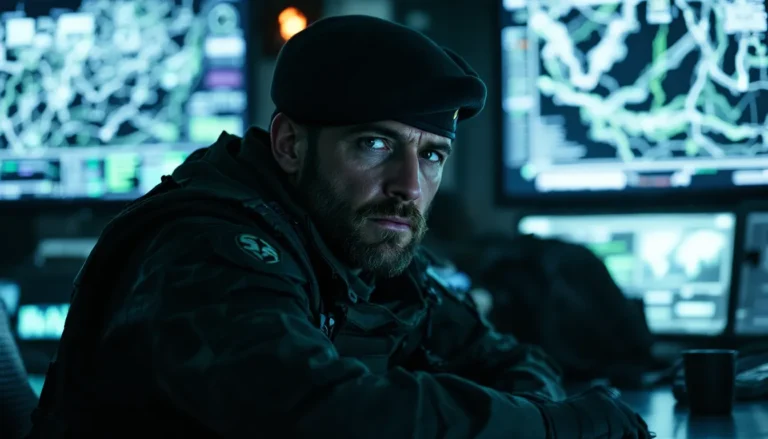
Captain John Price (often just “Captain Price”) is a primary protagonist throughout multiple Call of Duty campaigns, debuting in Call of Duty 4: Modern Warfare in 2007. He’s a veteran British SAS operative known for his distinctive accent, tactical expertise, and unwavering leadership. Price serves as the moral compass and commanding officer in many story arcs, rallying soldiers against impossible odds while navigating complex geopolitical conflicts.
What makes Price stand out isn’t just his fictional credentials, it’s his character depth. He’s not your typical gruff military stereotype. Price shows genuine concern for his soldiers, makes calculated strategic decisions, and carries personal grudges that feel earned rather than forced. Unlike nameless protagonists, Price is someone players actively root for, someone whose presence signals weight and importance to the narrative.
Across the franchise spanning nearly two decades, Price remains recognizable through his signature elements: his trademark captains insignia, his British RAF mustache, his gravelly voice, and his commanding presence in cutscenes. He’s appeared in multiple timelines, including flashbacks to his younger days as a Lieutenant, showing developers’ commitment to expanding his backstory. This consistency has made him instantly identifiable, whether you’re a veteran player or picking up Call of Duty for the first time.
John Price’s Role In Modern Warfare
Original Modern Warfare Trilogy
Price’s journey began in Call of Duty 4: Modern Warfare (2007), where he served as a supporting commander and tutorial guide for the SAS campaign. He wasn’t the protagonist, but his authority established the tone for the multiplayer-focused narrative. Players experienced his leadership during iconic missions like “All Ghillied Up,” one of gaming’s most memorable stealth sequences.
In Modern Warfare 2 (2009), Price’s role expanded dramatically. After a betrayal by General Shepherd and a nuclear explosion (courtesy of a nuke killstreak), Price survived and became central to the story’s vendetta arc. His character arc shifted, from trusted commander to driven soldier seeking retribution. This transformation made him relatable: players understood his motivation even if his methods became questionable.
Modern Warfare 3 (2011) solidified Price as a full protagonist. Players followed him on a personal mission against Vladimir Makarov, the game’s antagonist. His dialogue became sharper, his tactical decisions more critical to missions. By the end of the trilogy, Price wasn’t just a supporting character, he was the heart of Call of Duty’s narrative identity.
Modern Warfare 2019 Reboot And Beyond
When Infinity Ward rebooted Modern Warfare in 2019, Price returned with enhanced character development. Actor Barrett Powell brought new depth to the role, delivering performance-capture animations that made Price feel genuinely human. The 2019 version presented a younger Price rebuilding Task Force 141 after years apart from his crew.
The reboot emphasized Price’s strategic thinking and mentorship qualities. He recruited soldiers, made difficult tactical calls, and showed vulnerability, particularly about his past mistakes. Campaign missions like “Nickramadon” and “Captains” showcased his relationship with other operators, proving he wasn’t just a lone wolf but a team leader genuinely invested in his soldiers’ survival.
In Modern Warfare II (2022) and Modern Warfare III (2023), Price’s role continued evolving. He balanced commander responsibilities with direct combat participation. The games portrayed him as someone haunted by previous decisions but determined to prevent future catastrophes. His arc shifted from personal vendetta to larger-scale conflict prevention, showing maturation as a character. Price’s continued presence signaled that even after 15+ years, Infinity Ward understood his importance to the franchise’s identity.
The reboot trilogy also integrated Price more deeply into multiplayer’s narrative framework, making campaign and multiplayer feel connected through his leadership.
Captain Price’s Character Development And Story Arc
Leadership And Military Tactics
Price’s character hinges on his tactical brilliance and leadership philosophy. Unlike stereotypical military characters who bark orders without explanation, Price explains his reasoning. In campaign missions, he briefs soldiers on objectives, considers collateral damage, and adapts strategies when intel changes. This approach makes him feel like an actual commander rather than a plot device.
His tactical decisions often involve moral complexity. Price isn’t just fighting terrorists, he’s navigating geopolitical minefields where civilian casualties loom large. Missions frequently present scenarios where Price must choose between maximum destruction and minimal collateral damage, forcing players to consider the weight of his decisions. This elevates him beyond typical action-game commanders into something resembling real military leadership.
Price’s mentorship style also defines his character arc. Throughout the reboot trilogy, he actively develops younger soldiers, teaching them not just combat tactics but decision-making frameworks. His relationship with Kyle Gaz Garrick, Ghost, and Soap MacTavish shows a mentor invested in his team’s growth rather than treating soldiers as expendable resources. This humanization transformed Price from authoritative figure into someone players genuinely respect.
Personal Motivations And Conflicts
Beyond tactical expertise, Price’s personal struggles drive his character. In the original trilogy, betrayal by Shepherd crushed him, his trust was violated by someone within the chain of command. This trauma informed future decisions where Price struggled balancing institutional loyalty with personal code. The reboot trilogy examined this aftermath, showing how betrayal reshaped his approach to leadership.
Price also carries guilt over past operations. Missions that succeeded strategically sometimes resulted in civilian casualties Price couldn’t prevent. These moments resurface throughout campaigns, reminding players that Price’s greatest conflicts aren’t with enemies but with himself. He questions whether past decisions were truly necessary or if better options existed.
His relationship with revenge also evolves as a character arc. In Modern Warfare 2, vengeance drove him. By the 2019 reboot, Price explicitly rejected vengeance-focused thinking, understanding how it corrupts judgment. This shift makes him philosophically different from typical military game protagonists who operate from pure rage. Price’s journey suggests growth, maturation from hot-headed soldier to strategic leader considering long-term consequences.
John Price In Multiplayer And Competitive Gaming
Operator Skins And Cosmetics
In the 2019 Modern Warfare and subsequent titles, Price became a playable Operator, transformable skins allowing players to embody specific characters. The Price cosmetics span multiple variants, each reflecting different story timelines or aesthetic preferences. His classic SAS uniform remains the most popular, but seasonal updates introduced tactical gear, historical uniforms, and themed skins.
Price’s operator availability matters significantly in the competitive scene. His model has realistic proportions without excessive bulkiness, giving competitive players clean sightlines when peeking corners. This practical advantage combined with his iconic status made Price a fixture in ranked lobbies and esports broadcasts.
Seasonal cosmetics kept Price relevant throughout games’ lifecycle. Developers released anniversary skins, crossover variants, and limited-time operator bundles featuring Price. These cosmetics often sold well, suggesting monetization teams understood Price’s commercial appeal, players willingly purchase skins for characters they connect with emotionally.
Price’s cosmetics also served narrative purposes. New variants sometimes tied to campaign events or story developments, keeping cosmetics feeling integrated rather than purely random. This approach strengthened the connection between campaign story and multiplayer identity, something not every Call of Duty character achieves.
Impact On Esports And Pro Gaming
Price’s presence significantly influenced competitive gaming culture. Professional teams frequently selected Price cosmetics for tournaments, establishing him as the default operator for serious competitive play. His reliability and cultural cachet made him default choice for esports broadcasts, viewers associated him with high-level competition.
Pro players on platforms like Dot Esports frequently discussed Price’s operator model advantages and disadvantages compared to alternatives. His hitbox proportions meant he was neither smallest nor largest, a balanced middle ground preferred for competitive consistency. Esports analysts noted that operator selection rarely determined match outcomes, but Price’s association with elite players reinforced his status.
Competitive communities often referenced Price when discussing character authenticity in esports. Unlike some operators with exaggerated designs, Price’s realistic aesthetic fit competitive gaming’s tactical framework. Tournaments featuring Price in promotional materials benefited from his instantly recognizable silhouette, making broadcast graphics cleaner and more professional.
Price also served esports purposes beyond gameplay. When Infinity Ward conducted esports advertising campaigns, Price featured prominently as the face of Call of Duty competition. His leadership qualities translated metaphorically to esports narrative, Price commanding teams mirrored team captains commanding rosters.
Voice Acting And Actor Behind The Character
Price’s characterization relies heavily on voice acting quality and performance capture. In the original trilogy, British voice actor Billy Murray delivered Price’s dialogue, establishing the character’s distinctive accent and gravelly tone. Murray’s performances brought weight to Price’s lines, each sentence carried authority without condescension. His delivery made routine briefings feel important, transforming exposition into compelling character moments.
The 2019 reboot introduced Barrett Powell as Price’s new voice actor and motion-capture performer. Powell’s interpretation modernized Price while maintaining core characteristics. His performance-capture work brought physical nuance, Price’s posture, facial expressions, and gesture language reflected tactical expertise and measured judgment. Powell’s version portrayed Price as simultaneously experienced and capable of vulnerability, showing cracks in his stoic exterior without undermining authority.
Barrett Powell’s portrayal proved particularly effective during emotional campaign moments. When Price confronted failures or processed trauma, Powell delivered nuanced performances transcending typical military-character stereotypes. His ability to convey internal conflict through subtle facial expressions elevated these scenes beyond typical action-game storytelling. Players watching Powell’s Price struggle with decisions felt his conflict viscerally.
Comparing performances, Murray established Price’s archetypal characteristics while Powell humanized him further. Murray’s Price commanded rooms through sheer presence: Powell’s Price earned respect through demonstrated competence and earned trust. Both actors understood Price’s core, they just emphasized different facets of his character. This continuity even though casting change meant Price’s character remained consistent even as voice and performance delivery evolved.
The voice acting quality particularly matters for competitive and casual players experiencing Price through multiplayer. When players select him as their operator, hearing his distinctive callouts and voice lines reinforces character identity. ProSettings has documented how professional players select operators partially based on audio cues and voice callout clarity, Price’s distinct voice makes him easily recognizable in chaotic multiplayer matches.
John Price’s Cultural Impact And Fan Appreciation
Fan Community And Memes
Price transcended being simply a character, he became a cultural phenomenon within gaming communities. Fan art communities consistently featured Price, ranging from serious tactical artwork to humorous reinterpretations. Reddit communities dedicated to Call of Duty frequently celebrated Price, with posts about his missions, character design, and iconic moments garnering thousands of upvotes.
Memes surrounding Price became so prevalent they reached mainstream gaming discourse. The “It’s him.” reaction meme emerged from players’ excitement encountering Price in campaign moments. Internet culture embraced Price’s distinctive mustache as an instantly recognizable symbol, spawning countless edits and references. Even casual gamers unfamiliar with Call of Duty recognize Price’s visual design through meme circulation.
Price’s influence on the Call of Duty community cannot be overstated. When community engagement metrics increased, Price-related content consistently performed well. Speedrunners created campaigns specifically around maximizing Price’s presence and dialogue. Roleplayers built entire fictional universes around Price’s character, creating fan fiction exploring untold backstory moments.
Community passion for Price sometimes surprised developers themselves. When Infinity Ward released statements about character development, questions about Price inevitably dominated comment sections. This organic passion created positive feedback loops, developers invested in Price content because communities clearly valued it, communities appreciated the investment, and cycle continued strengthening Price’s position as franchise cornerstone.
Iconic Moments And Quotes
Price’s most memorable lines have become cultural touchstones for Call of Duty fans. “Remember, no Russian” from Modern Warfare 2’s controversial mission ranks among gaming’s most famous quotes, discussed even by non-players. The line’s moral weight and contextual intensity made it unforgettable, players debated its implications years after release.
Other Price quotes achieved iconic status through repetition and circumstance. Campaign briefings where Price calmly explained impossible objectives became endearing character moments. His trademark “Roger that” acknowledgment became instantly recognizable voice cue players learned to anticipate during multiplayer callouts.
Momentous campaign scenes featuring Price created lasting impressions. The mission where Price confronted Vladimir Makarov provided narrative climax that felt personally earned, players invested in Price’s character motivations understood the scene’s significance. When Price eventually achieved his objective, the victory felt like genuine character arc completion rather than arbitrary mission completion.
Price’s physical and tactical feats became legendary within communities. Speedrunners documented his capabilities across all games, noting how his movements and decision-making remained consistent even though graphical and mechanical improvements across titles. Players benchmarked their own tactical thinking against Price’s demonstrated problem-solving, asking “What would Price do?” when facing campaign obstacles.
The franchise’s willingness to showcase Price’s vulnerabilities created additional iconic moments. Scenes where Price acknowledged limitations, requested assistance, or processed emotional weight made him relatable even though his legendary status. These moments humanized him, transforming Price from untouchable operator into someone players actively empathized with and wanted to protect.
Conclusion
John Price’s evolution across Call of Duty represents masterful character development spanning nearly two decades of gaming history. From supporting commander in the original Modern Warfare to the fully realized protagonist of the 2019 reboot trilogy, Price’s journey mirrors the franchise’s own maturation. He transitioned from action-game archetype into something genuinely memorable, a character whose presence signals narrative weight and emotional stakes.
Price succeeds because developers consistently invested in his depth. Whether exploring moral complexity in campaign missions, delivering measured leadership throughout stories, or serving as cultural touchstone through memes and community celebration, Price consistently delivered character substance. His voice acting evolved. His visual design remained recognizable yet updated. His role expanded without losing core identity.
For gamers, whether experiencing Call of Duty campaigns, grinding multiplayer matches, or following esports competitions, Price represents something larger than fictional character. He embodies how consistent character development, quality voice performance, and community investment create cultural moments transcending individual games. Call of Duty without Price feels incomplete: his presence legitimizes campaigns and establishes competitive environments as serious tactical spaces.
As Call of Duty continues evolving, Price’s continued involvement signals developer commitment to long-term character arcs over disposable narratives. Whether future games introduce new gameplay mechanics, explore different time periods, or expand universe lore, Price’s presence assures players they’re engaging with franchise continuity, a military operative whose expertise and leadership span generations of gaming experiences.